Why January Feels Wrong (And Why That’s Not a Failure)
January is framed as a clean slate, but many people experience it as slow, foggy, or emotionally heavy. This isn’t a motivation problem—it’s a timing problem. Understanding how recovery lags behind stress changes how we interpret the start of the year entirely.
January Is Supposed to Feel Like a Beginning
But for many people, it doesn’t.
Instead of clarity, there’s fog.
Instead of momentum, there’s resistance.
Instead of motivation, there’s a quiet sense of heaviness that doesn’t seem to have an obvious cause.
When this happens, the default explanation is personal failure. People assume they are doing January incorrectly. Not disciplined enough. Not focused enough. Not resilient enough.
That conclusion feels logical—until you examine the assumption underneath it.
The assumption is that January is meant to be a starting point.
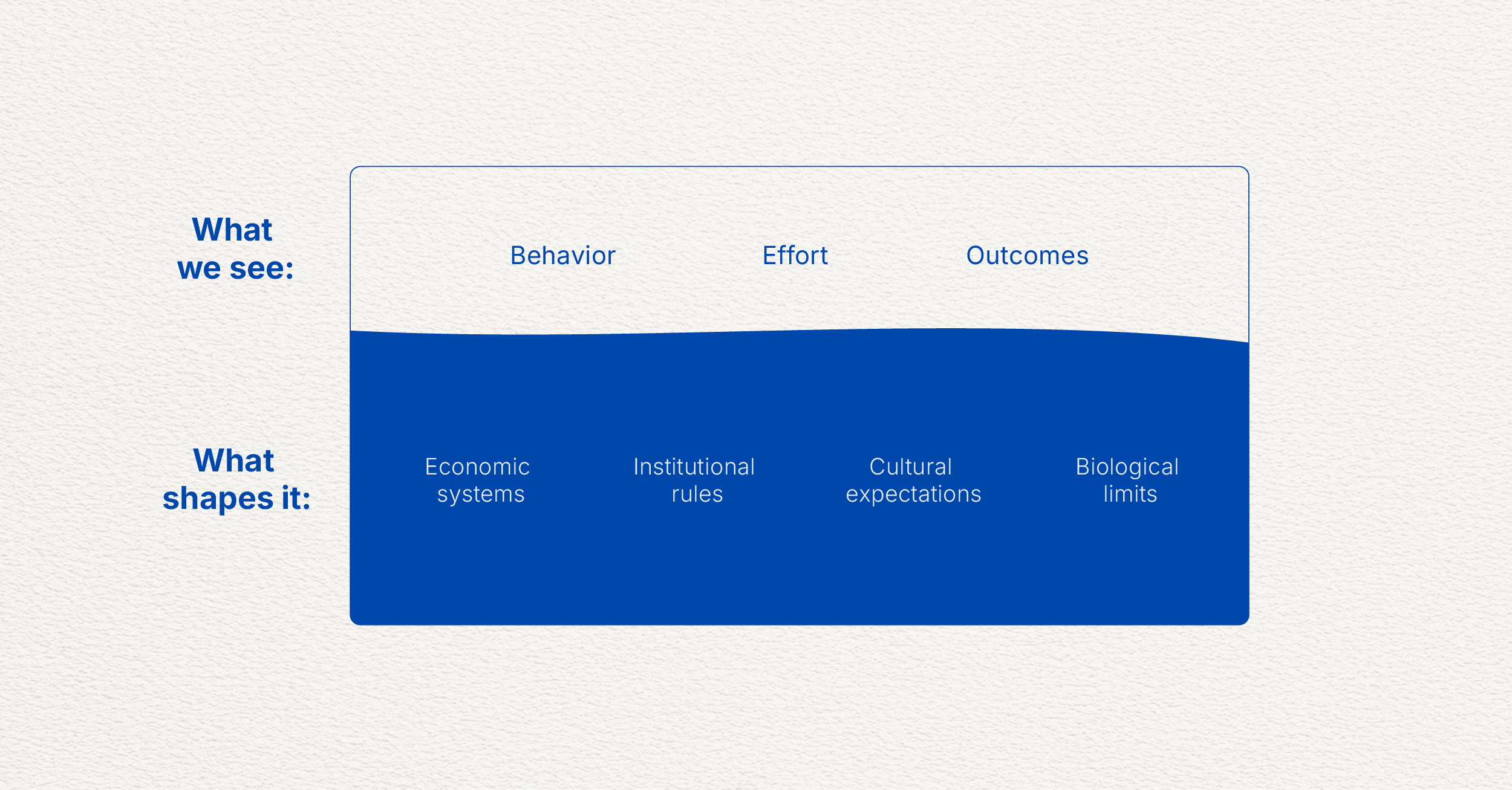
But bodies and nervous systems don’t recognize calendar resets.
The Clean Slate Is a Cultural Idea, Not a Biological One
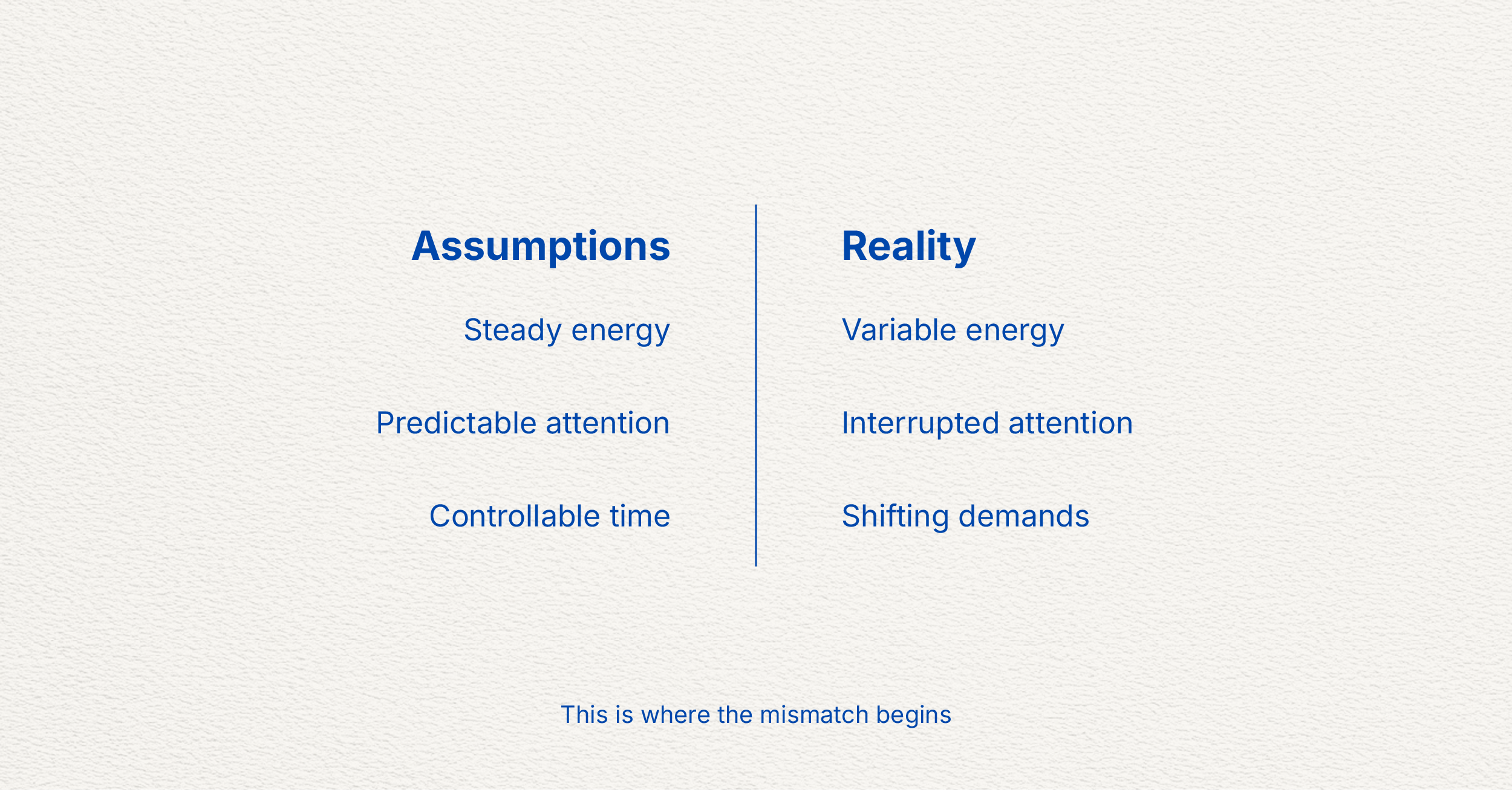
Culturally, January is treated as a reset button. A psychological fresh start. A moment where energy is supposed to return on command.
And to be fair, there is research showing that fresh starts can temporarily increase motivation. New weeks, birthdays, and calendar years can all create a short-term sense of possibility.
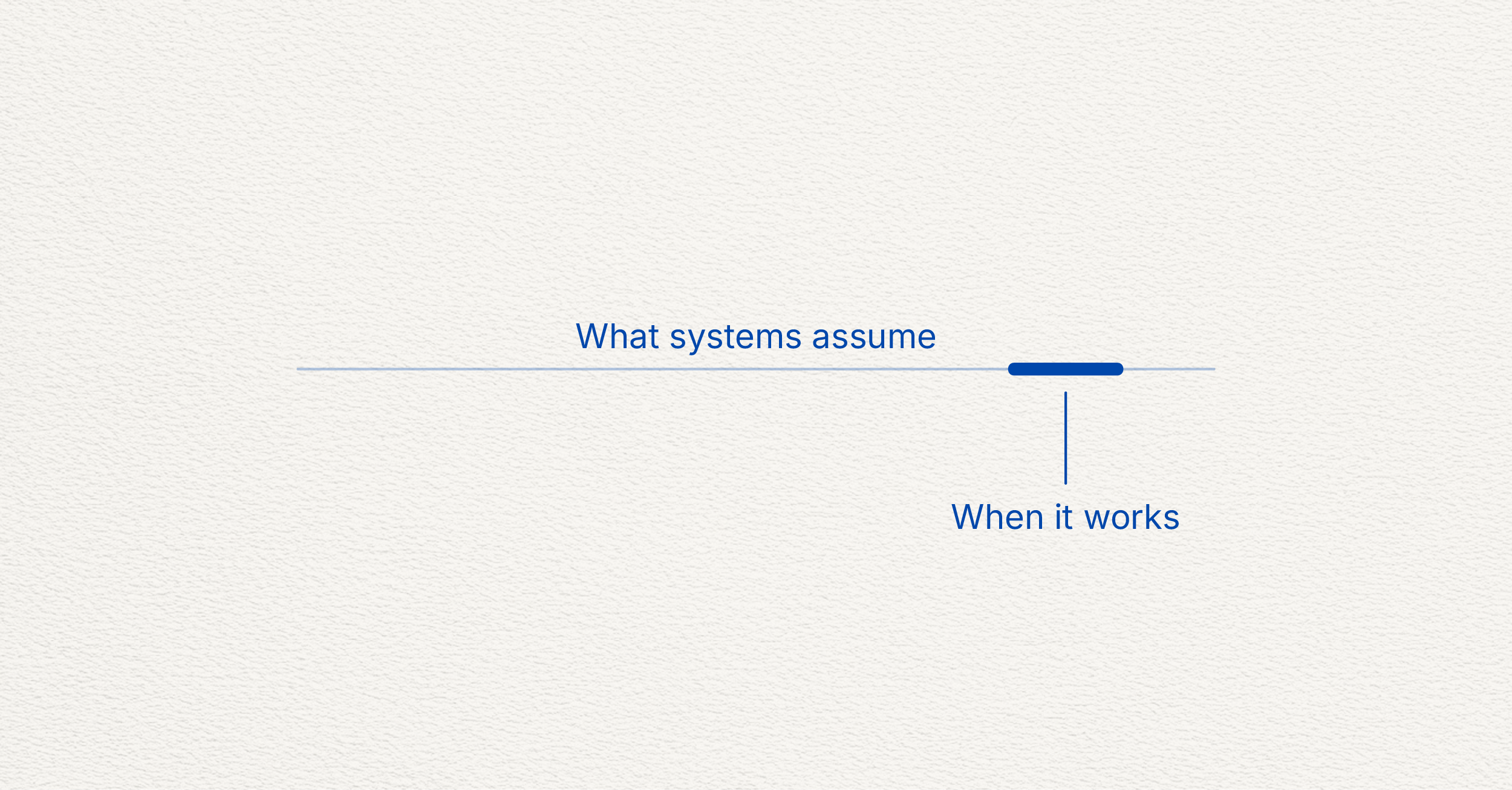
What that research quietly assumes, though, is available capacity.
Motivation only works when the system has something to draw from.
Nature doesn’t reset in winter. It conserves. Historically, winter has been a period of reduced movement, inward focus, and energy protection. It was not a season of reinvention. It was a season of survival and maintenance.
Modern calendars ignore this entirely. January is treated like a launchpad rather than what it actually functions as for many people: a recovery zone.
Recovery Lags Behind Stress
One of the most misunderstood aspects of human functioning is timing.
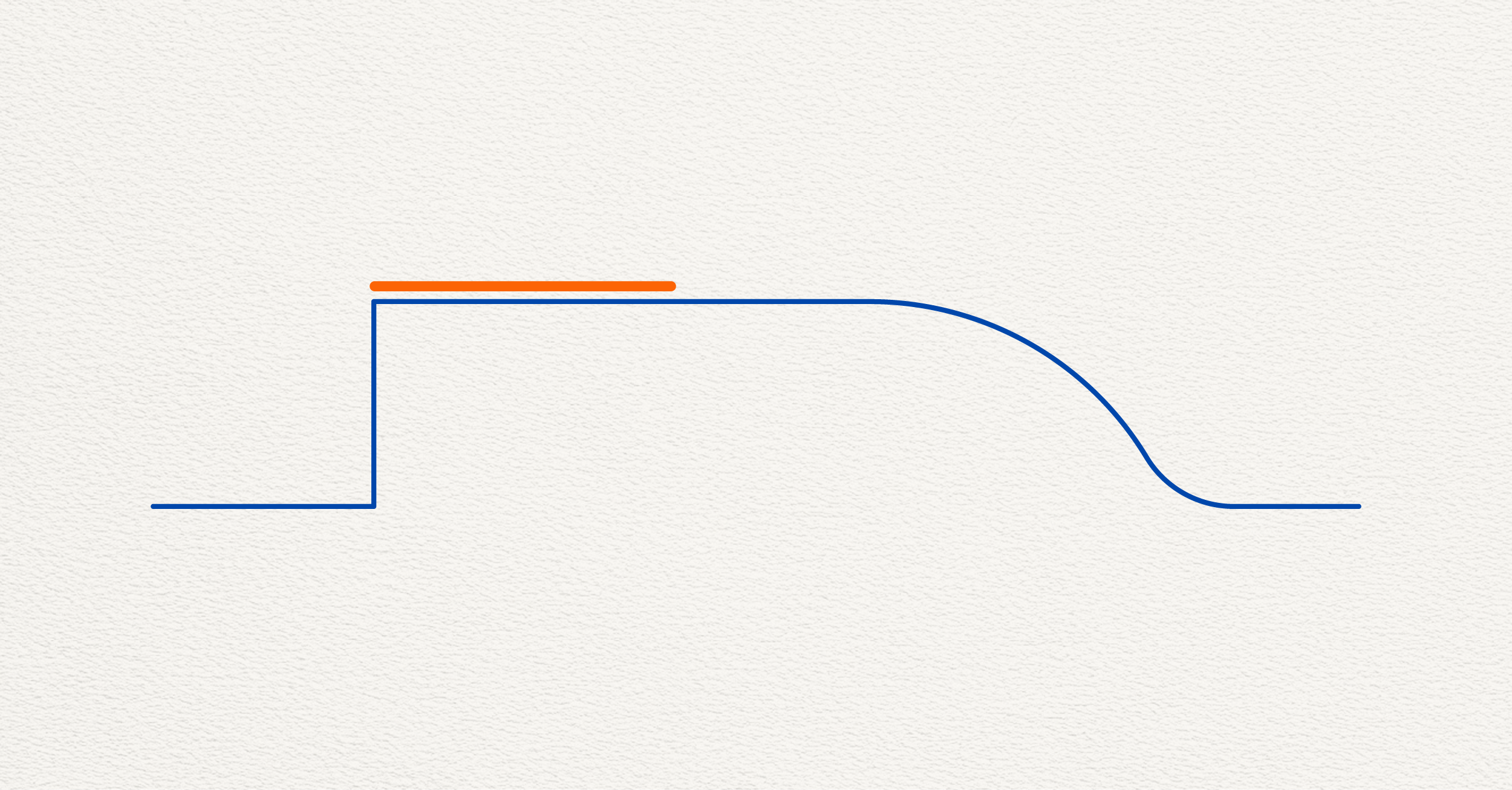
Stress doesn’t resolve the moment pressure ends. Processing happens later.
December is typically dense with output—social obligations, disrupted routines, sensory overload, emotional labor, financial pressure, and expectation stacking. Many people get through it by compensating. They push, brace, override signals, and hold things together.
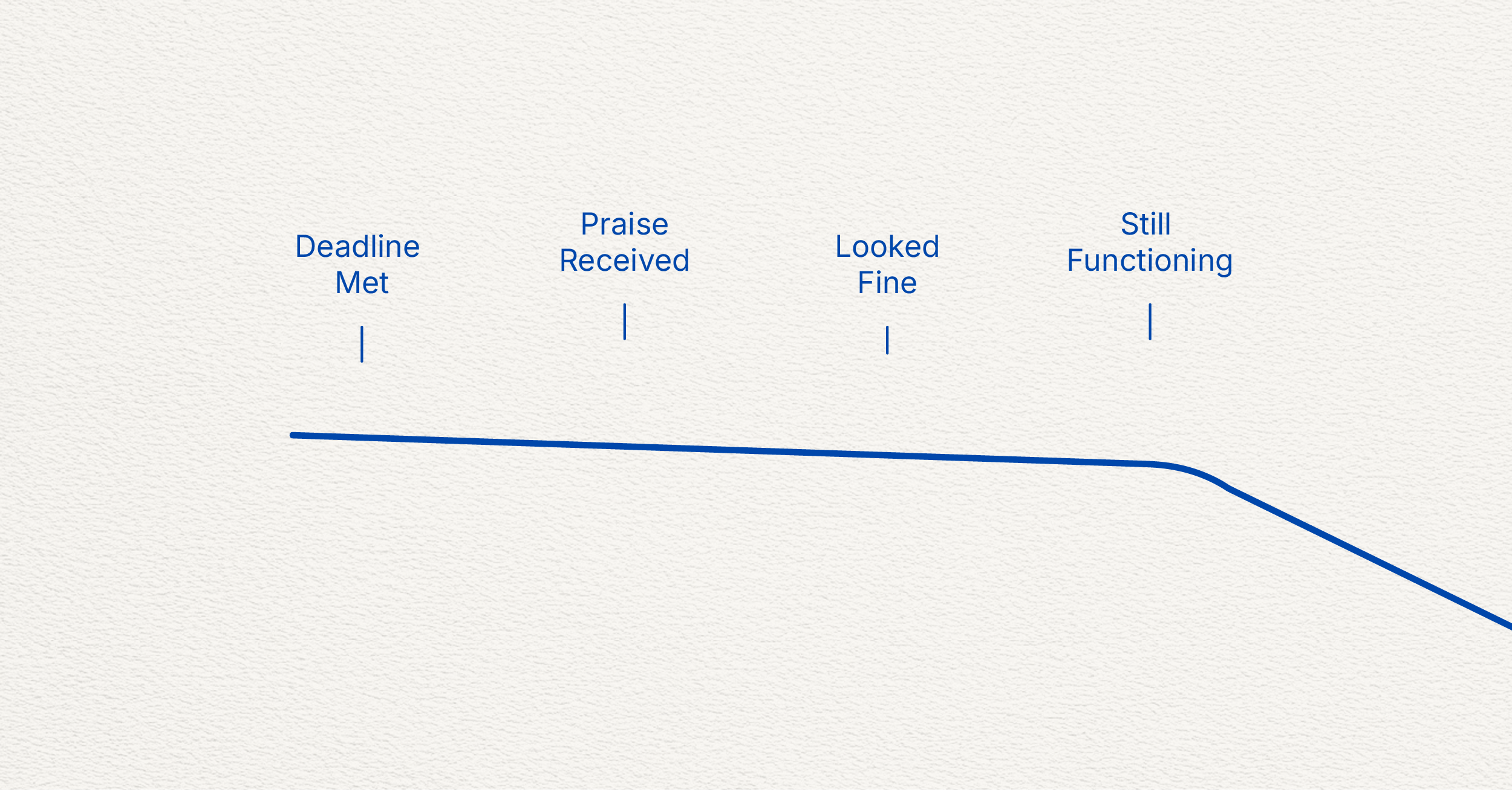
January is often when the system finally has enough quiet to register what just happened.
This creates a delay that’s easy to misinterpret.
From the outside, it looks like lack of motivation.
From the inside, it’s integration.
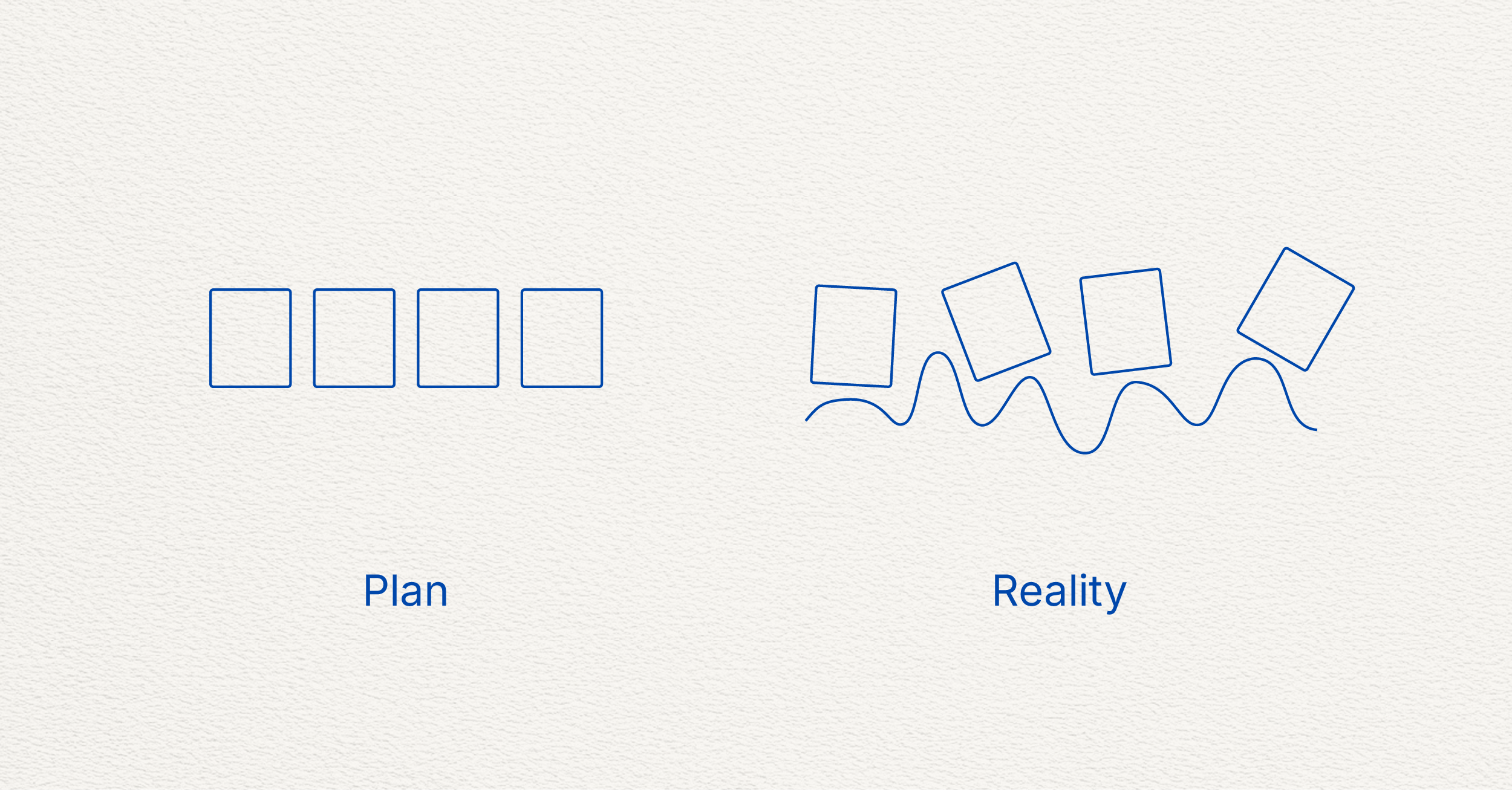
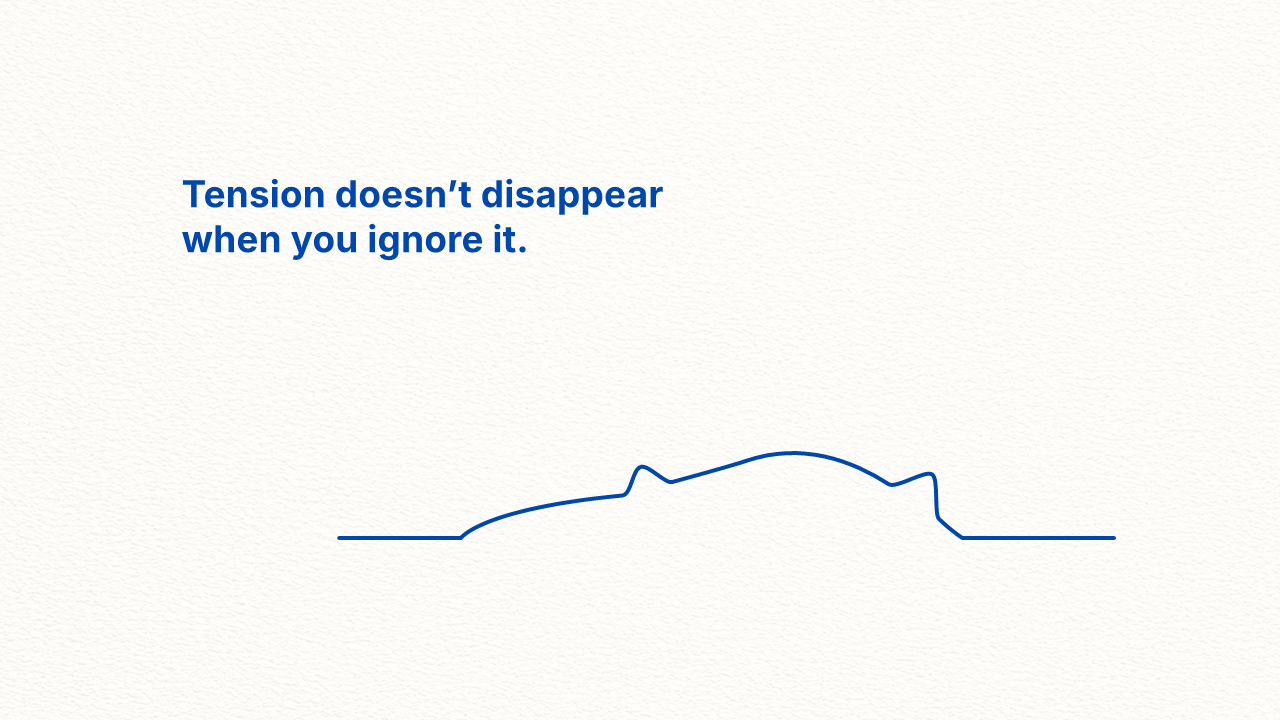
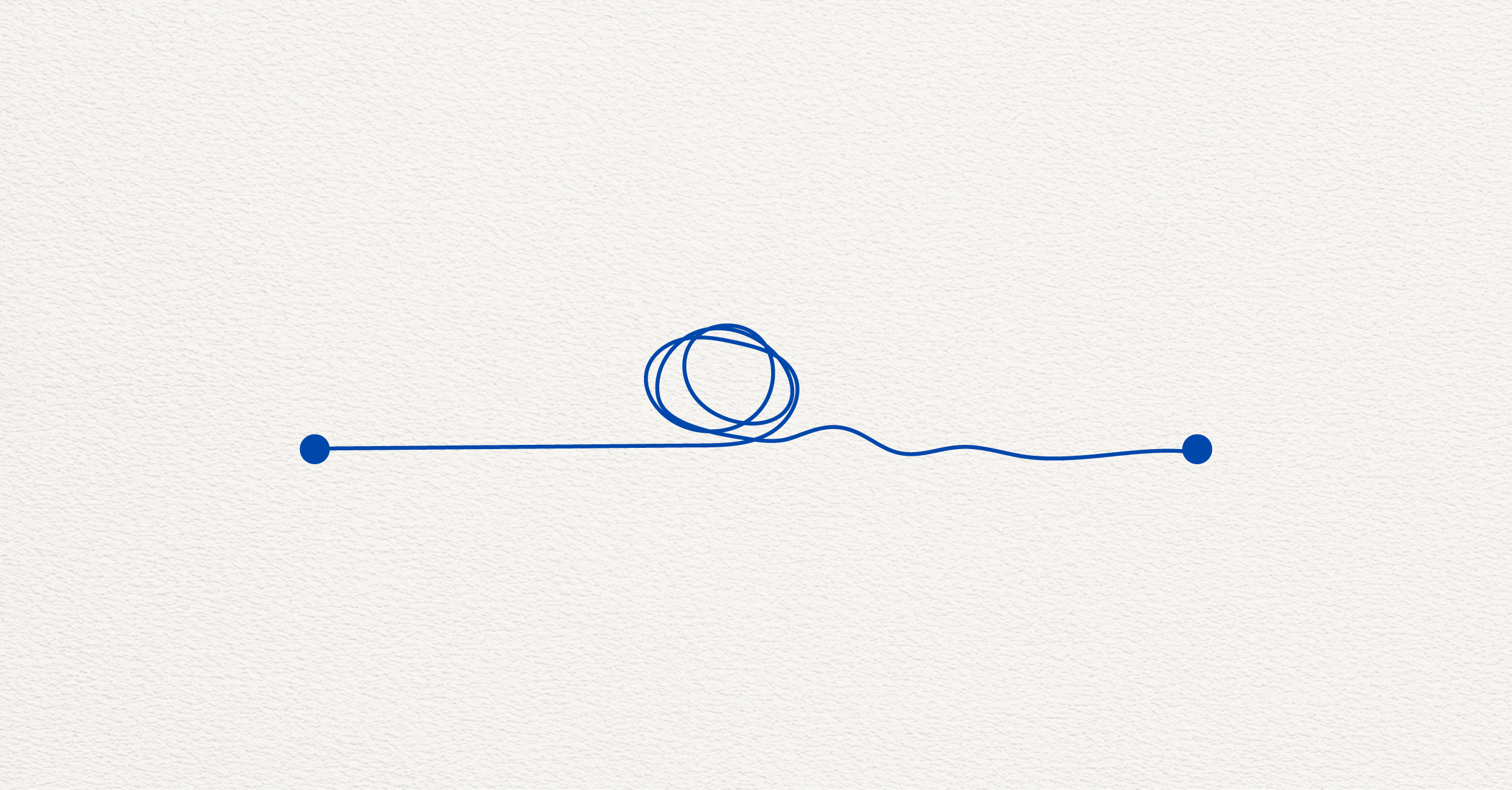
The pressure ends first.
The exhaustion arrives later.
That lag is not a flaw. It’s how nervous systems work.
Why January Can Feel Especially Hard
When January arrives, culture immediately asks for output.
Set goals.
Optimize habits.
Plan the year.
Hit the ground running.
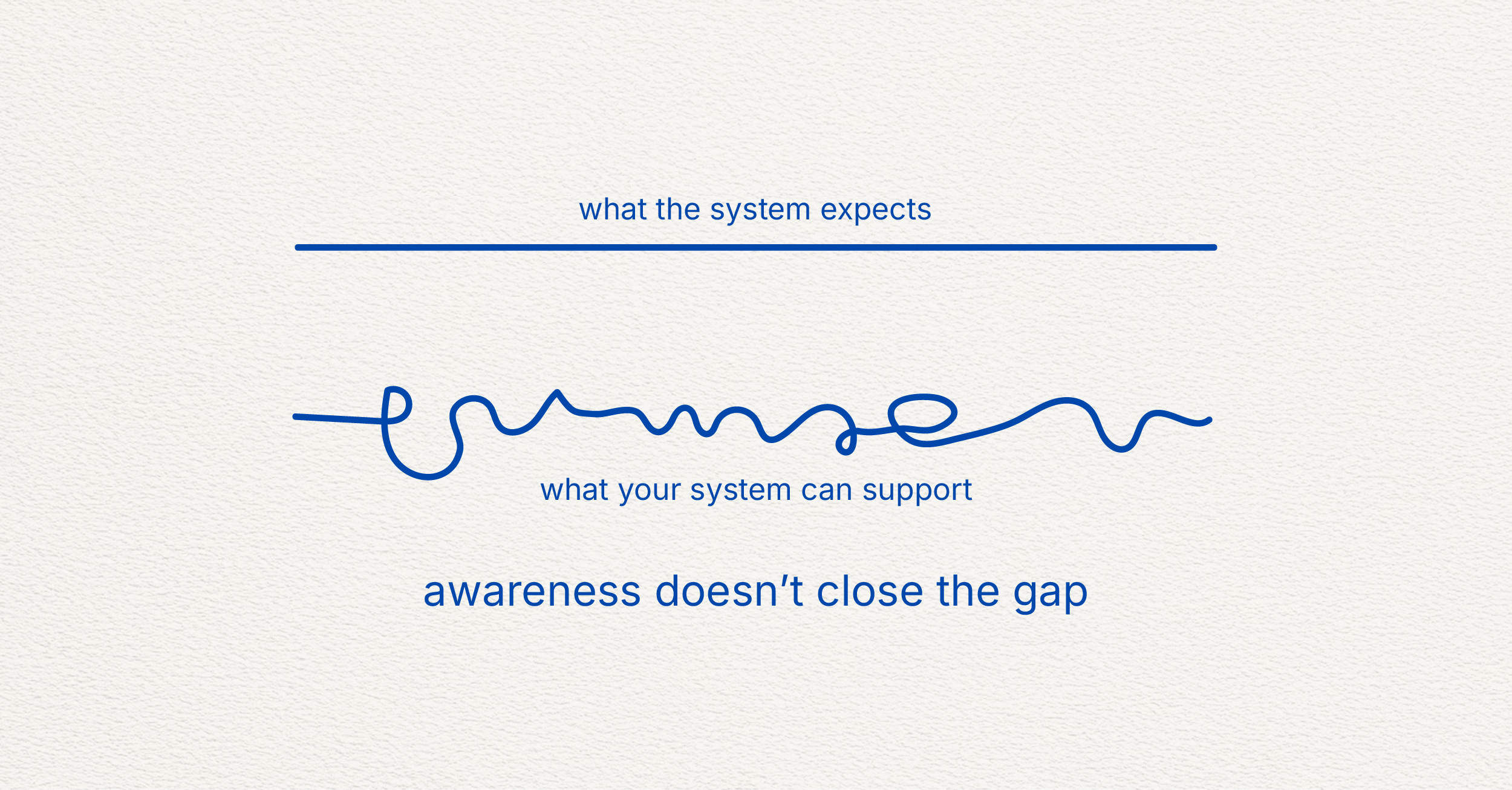
If your internal system is still stabilizing, those demands feel disproportionate. Not because they’re unreasonable in isolation—but because they’re mistimed.
When capacity doesn’t match expectation, shame fills the gap.
People start asking themselves quiet, brutal questions:
Why can everyone else do this?
What’s wrong with me?
Why can’t I get it together?
The problem isn’t effort.
It isn’t discipline.
It isn’t mindset.
It’s that January is often asking for performance before recovery has finished.
January as a Threshold, Not a Test
A different framing changes everything.
January isn’t a moral checkpoint.
It isn’t a test of willpower.
It isn’t evidence of how the year will go.
It’s a threshold.
A space between what has been demanded and what will eventually emerge. Thresholds are transitional by nature. They are quieter. Slower. Less directive.
Seen this way, January doesn’t require force. It requires orientation.
Progress in January often looks like:
– Lower expectations
– Fewer decisions
– Reduced output
– Stabilizing routines
– Letting clarity arrive instead of demanding it
None of this is passive. It’s responsive.
Accuracy is not laziness.
Timing is not avoidance.
Rest is not always lying down—it’s sometimes reducing friction.
Nothing Is Wrong With You
If January feels foggy, heavy, or emotionally tender, that isn’t a failure signal.
It’s feedback.
Your system may be finishing what last year started. And that doesn’t mean the year is off track. It means it hasn’t been rushed.
When we stop treating January as something to conquer, the shame loosens. The nervous system gets room to recalibrate. Direction emerges naturally instead of being forced prematurely.
The calendar may be early.
Your body is not.
Listen / Read / Explore:
If you want to engage with this idea in different ways, here are a few options—each suited to a different kind of attention.
Listen: The podcast episode Why January Feels Wrong explores the idea in a slower, conversational way.
Read: The LinkedIn article January Isn’t Broken. The Timing Is. focuses on the core reframe and how the pieces fit together. It’s useful if you want clarity without a longer read.
Explore: The free Life Design Starter Guide includes optional prompts and tools you can use selectively.
Choose what fits your energy. None are required.
What Happens When Regulation Goes Underground
Burnout is rarely the result of one bad decision or one hard season.
It emerges when systems demand continuous output without allowing feedback, adjustment, or recovery. When regulation isn’t permitted, people compensate — quietly, efficiently, and at a cost that isn’t visible until much later.
This piece reframes burnout not as a personal failure, but as delayed information from a system that lost its feedback loop.
Most burnout stories sound the same.
“I was fine.”
“I was managing.”
“I was holding it together.”
Until suddenly—they weren’t.
What’s often missing from these stories is not effort or intention, but regulation.
Not emotional regulation in the pop-psych sense.
Nervous-system regulation. Cognitive regulation. Load regulation.
The kind of regulation that keeps systems stable long before they collapse.
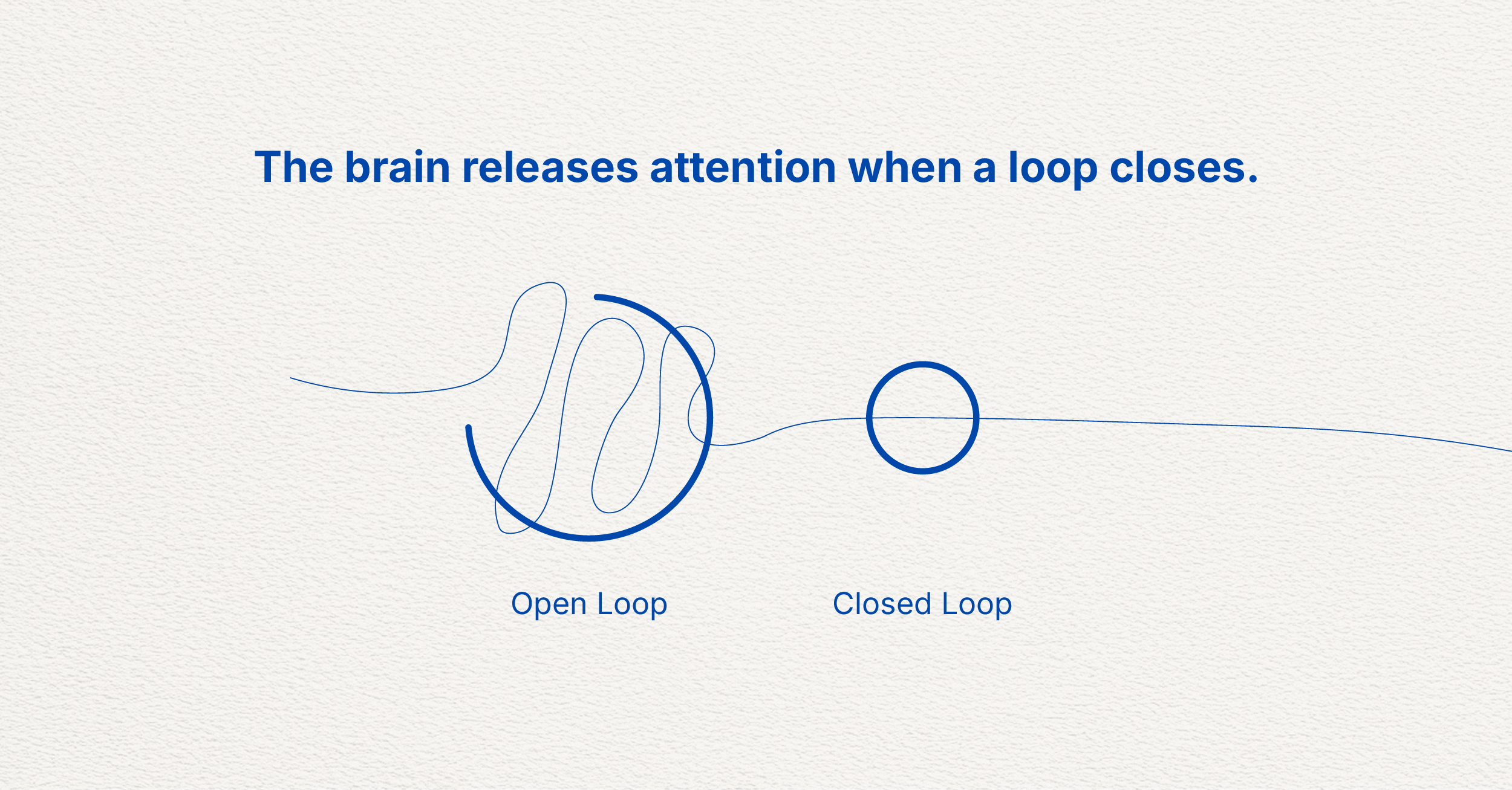
Suppression doesn’t remove need—it delays feedback
When a system isn’t allowed to regulate openly, it doesn’t become efficient.
It becomes quietly unstable.
The pressure doesn’t disappear.
It reroutes.
Instead of visible adjustment, you get invisible compensation:
working longer instead of resting
tightening control instead of reducing load
perfectionism instead of pacing
irritation instead of boundaries
From the outside, it can look like discipline.
From the inside, it feels like strain.
Burnout is not a surprise event
Burnout isn’t sudden.
It’s what happens when feedback is ignored for too long.
When early signals—fatigue, friction, resistance, overwhelm—are treated as personal flaws instead of system data, the system keeps running without recalibration.
Eventually, the cost exceeds capacity.
That’s not weakness.
That’s physics.
Regulation is a design problem, not a motivation problem
Most people try to solve this with better habits, stronger willpower, or more rigid planning.
But regulation doesn’t come from intensity.
It comes from fit.
Fit between:
capacity and demand
time and recovery
structure and flexibility
When systems are designed without room for regulation, they force people to compensate instead.
And compensation always has a shelf life.
Listening earlier changes everything
When you treat friction as information instead of failure, the question shifts.
Not:
“What’s wrong with me?”
But:
“What is this system asking for?”
Less input?
More predictability?
More recovery?
Different pacing?
A smaller planning unit?
When you respond at that level, collapse becomes less likely — not because you’re trying harder, but because you’re listening sooner.
This is where life design actually starts
Designing a life that fits your mind doesn’t begin with fixing habits or optimizing time.
It starts with noticing:
where tension shows up
where systems strain
where your capacity is being exceeded
Those signals aren’t interruptions.
They’re guidance.
And when you stop overriding them, you don’t lose momentum—you gain clarity.
If this way of thinking feels familiar—or relieving—I created a short Life Design Starter Kit to help you begin noticing these patterns in your own life.
It’s not a productivity system.
It’s not about doing more.
It’s a framework for understanding what your mind is actually responding to—so you can stop blaming yourself and start designing from the root.
You can download it here.
What Neurodivergent Thinkers Teach Us About Clear Communication (Even If You’re Not One)
Neurodivergent thinkers don’t struggle with information because they’re less capable. They struggle because they encounter the breaking points first.
Where structure is missing. Where context is assumed. Where speed outruns comprehension. Where meaning is left implicit instead of made clear.
Neurodivergent cognition doesn’t create these problems—it reveals them. Like a diagnostic tool, it surfaces where communication demands unnecessary cognitive labor just to keep up.
This piece explores why designing communication that works for neurodivergent minds ultimately works better for everyone. Structure supports tired brains. Clarity helps stressed teams. Predictability reduces overload. Simplicity lowers cognitive strain.
Designing for the edges doesn’t weaken communication—it strengthens it. By honoring real human cognition instead of an imaginary “average brain,” we create systems that allow everyone to function more easily.
Neurodivergent thinkers—people with ADHD, autism, dyslexia, and other cognitive profiles—don’t struggle with information because they’re less capable.
They struggle because they encounter the breaking points first.
Where communication assumes too much context. Where structure is missing. Where speed outruns comprehension. Where meaning is implied instead of made explicit.
Neurodivergent cognition doesn’t create these problems. It reveals them.
Think of it as a diagnostic tool.
• ADHD exposes where information lacks hierarchy, priority, or containment • Autistic cognition reveals ambiguity, inconsistency, and sensory overload • Dyslexic processing highlights overreliance on dense text instead of pattern and structure
These aren’t deficits. They’re early-warning signals.
They show us where communication demands unnecessary cognitive labor—work the brain has to do just to keep up.
And here’s the part most people miss:
When communication works for neurodivergent thinkers, it works better for everyone.
Structure helps tired brains. Clarity helps stressed teams. Predictability helps overwhelmed leaders. Simplicity helps people carrying too much at once.
This is why “designing for the edges” improves the center.
Neurodivergent minds are often the first to feel misalignment—not because they’re fragile, but because they’re sensitive to friction. They notice where systems are inefficient, unclear, or cognitively expensive long before those issues become visible failures.
That sensitivity is not a weakness. It’s a form of intelligence.
Neurodivergence shows us how to build communication that honors human cognition—not an imaginary average brain, but real nervous systems operating under real pressure.
Clear communication isn’t about dumbing things down. It’s about removing unnecessary strain.
And when we do that, everyone functions more easily.
Overwhelm Isn’t Personal. It’s Systemic—and Design Is the Culprit.
Overwhelm is often treated as a personal weakness—a failure of focus, discipline, or resilience. But in most cases, it isn’t personal at all.
It’s a design problem.
Much of the information we encounter every day is structured in ways that overload the brain before meaning has a chance to land. Dense text, cluttered visuals, competing ideas, and constant context-switching don’t just tax attention—they activate stress responses. People don’t lose interest. They shut down.
This piece explores how cognitive overload is created by poor information design, and how clarity, structure, and visual hierarchy can dramatically change how the brain receives and processes information. When communication is designed to support the nervous system, comprehension improves, decisions feel lighter, and people feel capable instead of depleted.
Overwhelm isn’t a personal failure. It’s environmental—and design is part of the solution.
Most people assume overwhelm is a personal failure. They blame themselves for struggling to read a long email, follow a crowded slide deck, or stay present through back-to-back meetings.
But overwhelm isn’t a character flaw. It’s a design flaw.
Much of today’s information is structured in direct conflict with how the brain processes input. Dense paragraphs, cluttered visuals, rapid context-switching, and nonstop notifications activate the brain’s threat and overload pathways. The body registers stress before the mind ever reaches meaning.
People don’t “tune out.” They shut down.
Bad design accelerates this shutdown by increasing cognitive load—the mental effort required to process information. That’s why a “simple” email with five ideas, no hierarchy, and three calls to action can feel heavier than a complex task with a clear structure.
High cognitive load weakens attention, slows comprehension, and strains memory. Even capable people start to feel incapable.
The opposite is also true.
When communication is designed with clarity and structure, the nervous system relaxes. The brain shifts from survival mode into meaning-making mode. Information lands. Decisions feel easier. People feel competent instead of depleted.
Overwhelm isn’t personal. It’s environmental.
And design isn’t decoration—it’s nervous-system infrastructure.
There Is No ‘Average Brain’ Anymore: Why Communication Must Adapt
For decades, communication was built around a quiet assumption: that there is an “average brain” with predictable attention, focus, and emotional bandwidth.
That assumption no longer holds.
Modern life delivers information in overlapping streams—notifications, messages, tabs, feeds—each one taxing attention and regulation. Even the brains our systems were designed for are struggling. This isn’t a failure of focus or discipline. It’s a design mismatch between old communication norms and a radically louder world.
As the environment has accelerated, cognitive differences have become more visible—not because brains suddenly changed, but because the systems around them did. Communication designed for a slower era now overwhelms nearly everyone.
This piece explores why designing for the “average brain” now serves no one—and why adaptive, cognitively supportive communication isn’t a niche accommodation, but the future of how we share information in a world that demands more than any brain can effortlessly give.
For most of history, communication was built on a single assumption: that most people think, learn, and process information the same way.
A predictable attention span. A predictable pace. A predictable emotional bandwidth.
That world is gone.
The “average brain” model was built for a slower environment.
Traditional communication assumed a linear, uninterrupted focus:
Long lectures
Dense memos
Text-heavy slides
Minimal interruptions
Shared attention norms
That worked because life itself was quieter. Information arrived in single streams, not competing layers.
Today? It doesn’t.
Modern life overwhelms the nervous system.
We switch contexts hundreds of times a day. Notifications, tabs, emails, messages, feeds—each one a micro-decision pulling on working memory and emotional regulation.
Even neurotypical brains—the very brains our communication systems were designed around—are tapping out.
This isn’t a personal failing. It’s a design mismatch.
And it reveals something more profound about neurodivergence.
The rise in diagnoses doesn’t necessarily reflect a biological surge in neurodivergence. What’s increasing is recognition—and an environment that exposes cognitive differences more sharply than a slower world ever did.
A quieter world could absorb variation. Today’s overstimulation magnifies it.
And communication norms built for that quieter world no longer meet the needs of most people—not because people changed, but because the demands changed.
Designing for the “average brain” now designs for no one.
Attention is no longer assumed—it must be earned. Comprehension is no longer automatic—it must be supported. Focus is no longer about effort—it’s about cognitive load.
When communication doesn’t adapt, people disengage. Not because they’re “bad at focusing,” but because the system exceeded what the brain—any brain—can realistically handle.
This is why adaptive communication matters.
Clear design isn’t decoration. It’s regulation. It’s accessibility. It’s a way of respecting the nervous system in a world moving faster than the brain was built for.
Adaptive communication doesn’t just help neurodivergent people. It helps everyone navigate an increasingly chaotic information landscape.
This is where communication is heading—toward systems built for real brains, in real conditions, rather than outdated norms of what attention “should” look like.
How Design Thinking Helps Parents Reduce Overwhelm and Create Systems That Actually Work
Design thinking is usually reserved for products, apps, and innovation labs—but it turns out it may be one of the most powerful tools parents aren’t using.
When parenting feels chaotic, the instinct is often self-blame: try harder, be more disciplined, get more organized. Design thinking offers a radically different lens. When a system keeps failing, the problem isn’t the person—it’s the system.
By applying design principles like empathy, clear problem definition, experimentation, and iteration, parents can reduce friction in everyday life. Morning chaos, invisible chores, sensory overload, and constant transitions aren’t moral failures—they’re design challenges waiting to be solved.
This piece explores how shifting from guilt to curiosity allows families to build flexible, supportive systems that adapt to real life. Not perfect routines. Usable ones. The kind that lighten the mental load and make parenting feel more humane.
Design thinking is usually associated with product development, user experience, and innovation labs—not parenting. But the same principles that help teams solve complex problems can profoundly improve the way families structure their days, manage overwhelm, and reduce the mental load that so many parents silently carry.
At its core, design thinking is a method for solving problems by understanding the user, defining the real issue, experimenting with solutions, and iterating until something works. Parenting offers no shortage of problems that follow this exact structure: morning chaos, bedtime resistance, meal planning, sensory overload, clutter, transitions, discipline, and everything in between.
Where parents often get stuck is in assuming the problem is them. “I should be more disciplined.” “I should be more organized.” “I should keep up better.” But design thinking teaches us that when a system repeatedly fails, the system—not the person—is the issue.
The first step is empathy: understanding the real needs of the people in your household, including yourself. What triggers overwhelm? Which tasks consistently fall through? Where does friction show up? What moments create unnecessary stress?
Next comes defining the problem clearly. Instead of “our mornings are a mess,” the real issue might be “we don’t have a predictable transition from sleep to movement.” Instead of “no one helps with chores,” it might be “our tasks are invisible, unassigned, and unclear.”
Then comes ideation—brainstorming ways to reduce friction. Can tasks be chunked? Can instructions be simplified? Can the environment do the remembering so the parents don’t have to? Can a visual system replace a mental one?
Prototyping and testing are where parents often find the most relief. Routines don’t have to be permanent. You can try a new morning flow for a week. You can experiment with a new toy rotation, a simplified meal plan, or a five-minute reset ritual. You can change what doesn’t work.
Design thinking removes the pressure to get it “right” and replaces it with a practical structure for continuous improvement. It stops the endless loop of guilt and replaces it with curiosity.
Most importantly, design thinking helps parents build systems that are flexible—systems that can bend with shifting needs, sick days, developmental changes, and unexpected stressors. Systems that support executive function rather than depend on it. Systems that help families thrive.
Parenting is complex, but it doesn’t have to be chaotic. With a design mindset, even small adjustments can make everyday life feel more manageable, more predictable, and more humane.
The Mental Load of Modern Motherhood Through the Lens of ADHD
Modern motherhood already asks the impossible. For mothers with ADHD, that invisible mental load often becomes a relentless second job—one that never clocks out.
This isn’t just about tasks or to-do lists. It’s the constant background processing of meals, appointments, emotions, logistics, transitions, and future needs—an internal dashboard that never stops refreshing. For ADHD brains, that dashboard runs on a different operating system: working memory is fragile, sensory input is louder, transitions take more energy, and overwhelm can freeze the whole system at once.
The problem isn’t capability. It’s capacity.
Rather than asking mothers with ADHD to try harder or organize better, this piece reframes the struggle as a design problem—not a discipline problem. When life is redesigned to reduce friction and support how the ADHD mind actually works, the mental load doesn’t disappear—but it becomes survivable, sustainable, and even humane.
Modern motherhood has always demanded more than any one person can reasonably hold, but for mothers with ADHD, the invisible load often becomes a full-time, unpaid, mentally exhausting second job. While the broader conversation around parental burnout has increased, there is still surprisingly little discussion around how neurodivergent wiring shapes the experience of raising young children, managing a household, and sustaining a career.
The mental load isn’t just about tasks. It’s the constant monitoring of future needs, emotional needs, logistical needs, and household continuity. It’s the running internal dashboard of meals, appointments, behavior issues, weather predictions, clothing sizes, cleaning cycles, development milestones, and family dynamics—all of it refreshed in real time.
For mothers with ADHD, this dashboard operates with a different interface. Working memory is less reliable. Task-switching is harder. Sensory input is louder. Transitions create more friction. And when overwhelm hits, the entire system can freeze.
This isn’t a personal failing. ADHD is a neurodevelopmental difference that affects executive functioning—the mechanisms that regulate planning, prioritization, emotion, and follow-through. When combined with parenting demands, the mental load multiplies. And if you add employment, household management, or single parenting into the equation, the bandwidth tightens even further.
But there’s another side to this: mothers with ADHD often bring extraordinary strengths to their parenting. Creativity. Hyperfocus on connection. Unique problem-solving skills. Strong intuition. A willingness to break rules when rules don’t make sense. An ability to see patterns or systems that others overlook.
The challenge isn’t capability—it’s capacity.
What many mothers with ADHD need is not better organization, but a better environment. Not more willpower, but more supportive systems. Not perfection, but predictability. A home and life that reduces friction instead of adding to it.
One powerful shift is reframing life as a design problem rather than a self-discipline problem. Designers don’t blame themselves when a system fails—they redesign the system.
This approach removes shame and opens up possibilities. Instead of trying to remember everything, create containers. Instead of striving for flawless routines, build micro-routines—two-minute resets, five-minute sweeps, repeatable dinner rotations, simplified morning flows. Instead of trying to track everything internally, externalize information visually.
The mental load will always be part of parenting, but when mothers with ADHD adopt design-thinking principles, the load becomes more manageable. The goal isn’t to eliminate the complexity—it’s to create systems that allow your brain to thrive inside it.