Why Everyday Things Can Feel So Overwhelming for Sensitive People
The confusing part is often how “small” everything looks from the outside
One of the hardest things about living with a sensitive nervous system is that the situations creating exhaustion often appear completely ordinary to everyone else around you.
You go to the grocery store. You attend a meeting. You spend time with family. You answer messages throughout the day while trying to focus on work. You navigate a schedule with too many transitions, interruptions, or competing demands. None of these things necessarily qualify as major stressors on their own, and yet by the end of the day your system feels overloaded in a way that seems strangely disproportionate to what actually happened.
That contrast can become deeply destabilizing over time because eventually you stop trusting your own experience. The exhaustion itself becomes less confusing than the fact that other people seem able to move through the same environments without collapsing afterward. You begin comparing your internal reality to other people’s external appearance, and from there it becomes very easy to conclude that something about you is fundamentally wrong.
A lot of people end up building an identity around being “too sensitive” long before they seriously consider the possibility that their nervous system may simply be processing significantly more information at once.
The problem is that invisible load rarely receives the same legitimacy as visible effort. Most people understand physical exhaustion because physical strain is easier to observe. Nervous system strain is much harder to measure externally. Someone may appear calm, productive, socially functional, and highly capable while internally spending enormous amounts of energy regulating overstimulation, filtering noise, monitoring emotional tension, suppressing discomfort, adapting to unpredictability, and recovering from constant interruption.
And because none of that labor is visible, it often gets dismissed—including by the person experiencing it.
Sensitive systems often carry more active processing load
One thing I think people underestimate constantly is how different the same environment can feel depending on how a person’s nervous system processes information.
For some people, environments fade into the background fairly easily. A crowded room may feel mildly tiring but not deeply disruptive. Noise gets filtered automatically. Social tension registers but does not linger. Interruptions are annoying but quickly forgotten.
For other people, the system remains highly engaged with nearly everything happening simultaneously. Sound stays active in awareness. Emotional atmosphere continues registering in the background. Unexpected changes require significant recalibration. Competing demands remain mentally open instead of resolving cleanly. Interruptions create lingering cognitive residue that makes it difficult to re-enter focus.
This type of processing is energetically expensive even when someone appears outwardly functional.
In fact, many highly sensitive people become exceptionally skilled at compensating for overload without realizing how much effort that compensation actually requires. They continue showing up, performing well, caring for other people, meeting responsibilities, and adapting themselves to demanding environments. Because they are technically functioning, they assume the cost must be acceptable.
But functioning and sustainability are not identical.
A person can remain highly functional while gradually exhausting the systems that allow them to keep functioning in the first place.
This is one reason so many sensitive people experience periods where their capacity seems to collapse suddenly and inexplicably. Simple tasks become difficult. Noise tolerance decreases. Emotional recovery takes longer. Social interaction becomes draining faster than it used to. Things that once felt manageable begin creating disproportionate fatigue.
From the outside, this often looks irrational because the visible trigger appears too small to explain the intensity of the reaction. But the visible trigger is rarely the full story. More often, it is the final additional demand placed on a system that has already been compensating for accumulated strain for a very long time.
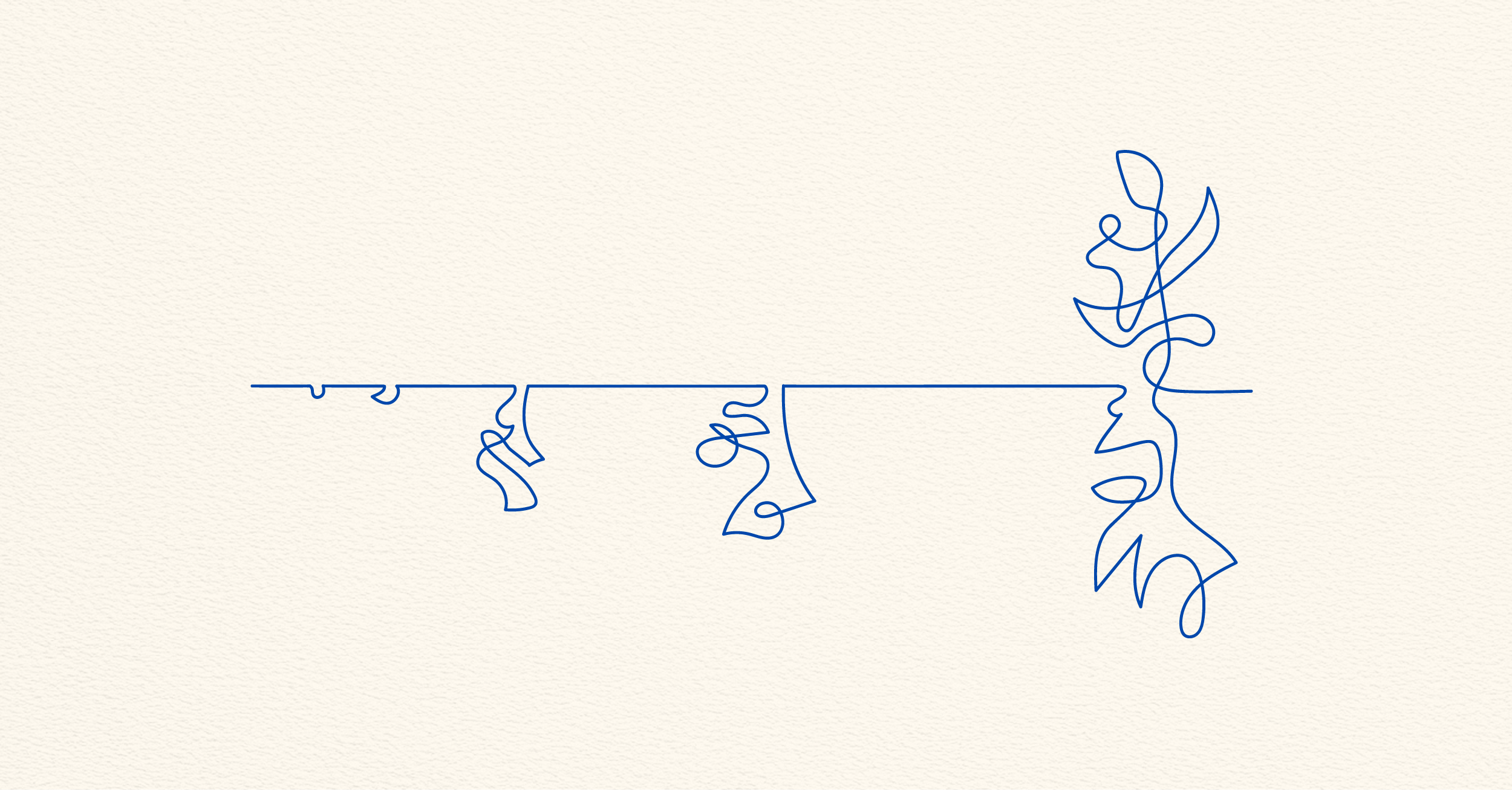
A system that has been compensating for accumulated strain for a very long time.
Why people often learn to distrust themselves
Many sensitive people grow up receiving direct or indirect messages that their nervous system responses are excessive.
They are told they are overreacting, too emotional, too intense, too affected, too dramatic, too easily overwhelmed, or too sensitive to handle ordinary life properly. Over time, this creates a painful internal split where the person continues experiencing strain but simultaneously stops believing their experience deserves to be trusted.
That shift changes the kinds of questions they ask themselves.
Instead of asking: “What conditions are overwhelming my system?”
They begin asking: “How do I stop being affected by things?”
And that difference matters enormously.
Because when someone treats every reaction as evidence of personal weakness, they stop becoming curious about the conditions generating the reaction in the first place. They focus entirely on self-suppression instead of system understanding.
A lot of high-functioning people become trapped in this cycle for years. They override exhaustion because they feel guilty needing recovery. They continue tolerating environments that dysregulate them because they think resilience means ignoring discomfort. They normalize chronic overload because they have spent so long comparing themselves to people with very different nervous system thresholds.
But eventually, the body tends to force the conversation back into awareness.
Sometimes through burnout.
Sometimes through shutdown.
Sometimes through emotional exhaustion that no longer seems connected to any identifiable cause.
And often the person feels blindsided because the collapse appears to come “out of nowhere,” when in reality the system has been signaling unsustainable conditions for a very long time.
Sensitivity may contain information worth listening to
A damaging assumption many people carry is the belief that sensitivity automatically means fragility or inaccuracy.
But nervous systems that react early are not necessarily reacting incorrectly.
Sometimes they are detecting strain earlier.
A person who notices tension in an environment quickly may not be imagining things. A person who becomes exhausted faster may not be weak. A person who feels overloaded by constant interruption may not be failing at adulthood.
Sometimes the system is identifying accumulated conditions that have exceeded sustainable capacity.
This becomes especially important when someone has spent years operating with very little margin. Chronic stress, overstimulation, emotional pressure, constant adaptation, unpredictable schedules, caregiving demands, burnout, and cognitive overload all reduce the amount of flexibility a nervous system has available. When that happens, smaller stressors begin carrying larger impact because the system is already near its threshold before the new demand even arrives.
It becomes easier to understand yourself more clearly when you stop viewing overwhelm only as a personal flaw and start viewing it as information about conditions.
Information about pace.
About environment.
About recovery.
About structure.
About cognitive load.
About the difference between surviving something and sustainably living inside it.
That perspective doesn’t magically eliminate difficulty. It doesn’t mean every reaction should automatically dictate every decision. Human beings are complicated, and nervous systems are shaped by many factors.
But it does create space for a much more honest relationship with yourself.
Because if your nervous system repeatedly struggles under the same conditions, that pattern may deserve investigation rather than automatic self-criticism.
Building around real conditions instead of imagined ones
A lot of this work ultimately comes back to structure.
Not productivity systems designed around idealized versions of people, but structures designed around actual nervous system realities.
Many sensitive people are trying to function inside lives that require constant mental compensation: overloaded schedules, relentless interruption, too much decision-making, too little recovery, unclear boundaries, chronic unpredictability, environments that never fully allow the nervous system to settle.
Over time, that continuous compensation becomes exhausting.
This is one reason I talk so much about tension as information. Friction, overwhelm, resistance, and exhaustion are often signals that something about the current structure no longer matches real conditions.
And when people begin treating those reactions as information instead of evidence of failure, they often start asking far more useful questions.
Not: “How do I force myself to tolerate more?”
But: “What conditions does my system repeatedly struggle to sustain?”
That shift does not solve everything immediately. But it often moves people much closer to reality. And reality is usually a far more stable place to build from than chronic self-rejection.
I also talk about this on the podcast if you’d like to listen. If this pattern feels familiar, the free Life Design Starter Kit explores how to recognize hidden friction before everything reaches overload.
